
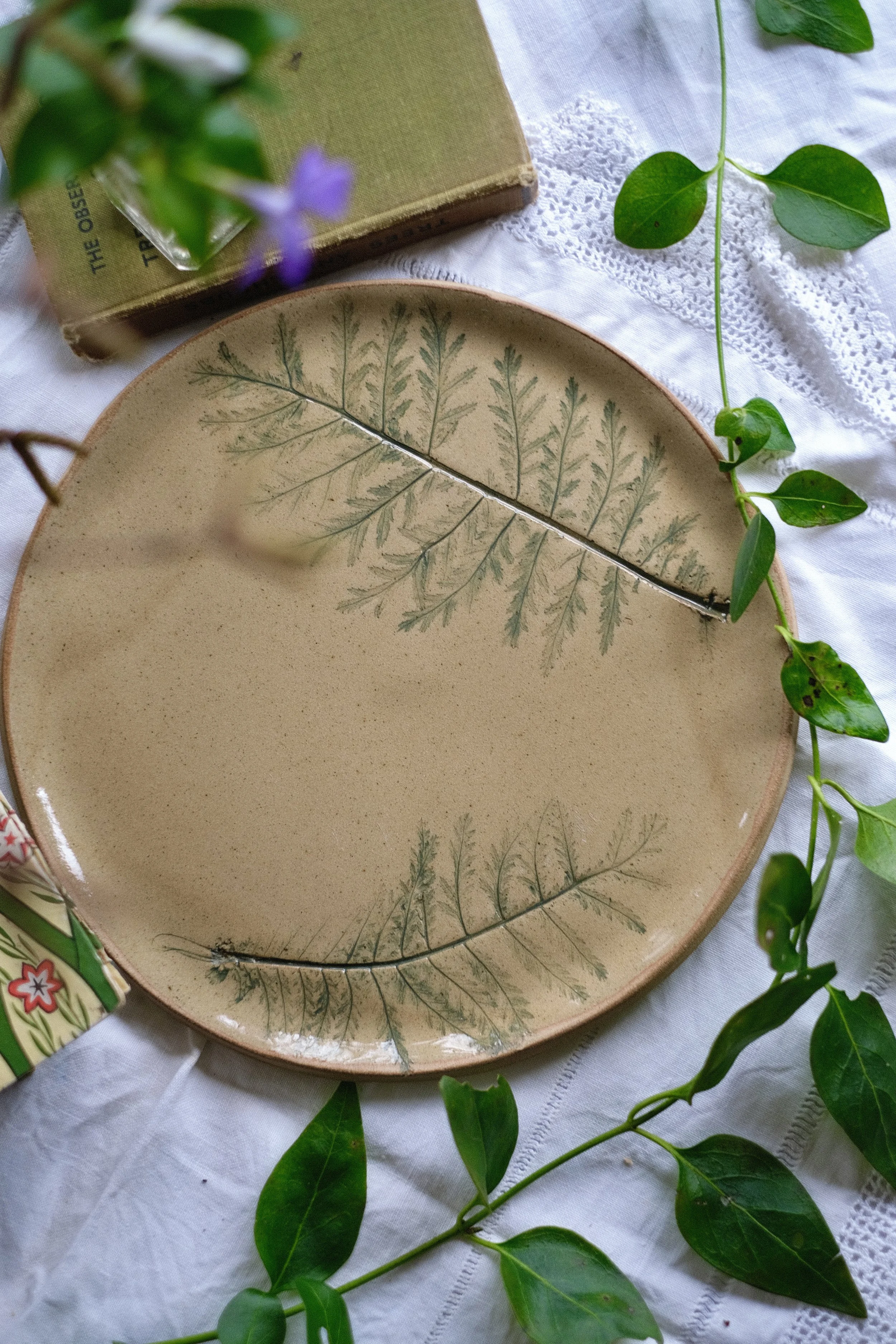
 Image 1 of 1
T A N S Y
Folklore
Tansy has long been linked with protection and longevity in European folklore. It was hung in homes to ward off evil spirits and sometimes placed in burial wrappings to help preserve the body. Because its golden flowers keep their color when dried, it became a symbol of immortality and resilience. In some traditions it was also eaten in spring dishes around Easter to represent renewal.
Medicinal
Traditionally used as a digestive aid, antiparasitic remedy, and insect repellent. Leaves were often scattered in homes or bedding to keep away fleas and flies.
Time of Year
July – September
Tansy blooms in mid to late summer, producing clusters of small bright yellow button-like flowers that often remain vivid even when dried.
T A N S Y
Folklore
Tansy has long been linked with protection and longevity in European folklore. It was hung in homes to ward off evil spirits and sometimes placed in burial wrappings to help preserve the body. Because its golden flowers keep their color when dried, it became a symbol of immortality and resilience. In some traditions it was also eaten in spring dishes around Easter to represent renewal.
Medicinal
Traditionally used as a digestive aid, antiparasitic remedy, and insect repellent. Leaves were often scattered in homes or bedding to keep away fleas and flies.
Time of Year
July – September
Tansy blooms in mid to late summer, producing clusters of small bright yellow button-like flowers that often remain vivid even when dried.